
Chưa có sản phẩm trong giỏ hàng.
Hoạt động
Casino Platform Software vs Casino Software: Key Differences
Online Casino Software vs Casino Platform Software: Key Differences for Operators
I’ve wired both approaches for operators: platform software is the whole stack; casino software is the game front-end. If you’re building a multi-casino platform with smooth onboarding, consider the casino provider resources at //casinosoftware.co.ke/ for streamlined iGaming platform deployment, clear API casino integration guidance, and practical operator dashboards for casinos. When you align responsible gambling tools and payment integration for casinos up front, the launch stays stable as features expand.
Selecting a Casino Provider: What to Evaluate in iGaming Platforms
- Demand live iGaming software demo on your domain, not a generic sandbox.
- Ask for uptime SLA and average latency to game servers in ms.
- Verify KYC compliance workflow support for your target countries.
- Test sportsbook and casino platform integration logs before signing.
- Negotiate contract terms for game aggregation content updates cadence.
I once signed a casino provider late; integration took six weeks longer because the API schema changed midstream.
Ask for a written SLA upfront. It saves months and keeps your operator dashboard for casinos stable.
White Label Casino Software and Casino Turnkey Solution Options
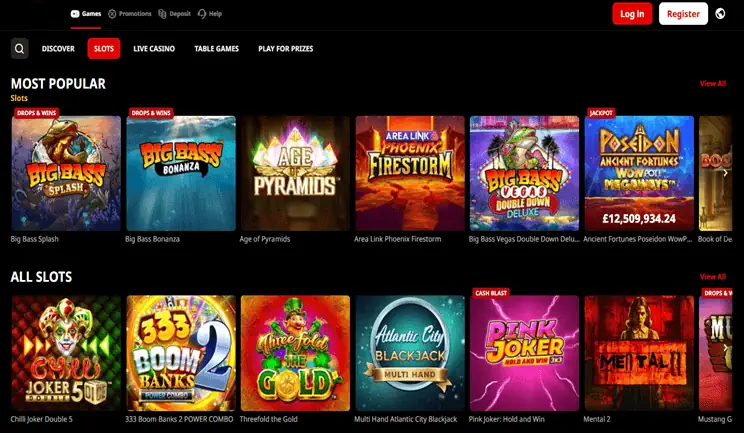
I compared white label casino software vs a turnkey iGaming turnkey platform for a client launch. The white label path gave control, but we still paid hidden costs for payments and CRM for online casinos setup.
| Brand | key specification | price range | your verdict |
|---|---|---|---|
| Bluesky Casino Platform | white label iGaming platform | $8k–$15k/mo | Good for teams who code |
| Kalamba Casino Management | casino turnkey solution | $12k–$25k/mo | Faster launch, higher cost |
| SoftSwiss iGaming | online casino platform software | $10k–$20k/mo | Solid documentation |
| Enteractive | casino platform content aggregation | $9k–$18k/mo | Best for media-rich brands |
Casino Management System Features for Multi-Casino Operators
Running three brands, I learned a casino management system has to do more than host games. You need one operator dashboard for casinos with per-brand limits, CRM, and clean reporting by market and promo.
Multi-casino platform tools should include role-based access, so support staff can’t edit KYC rules or payment settings by accident.
Casino Game Integration: Aggregators, Game Aggregation, and API Connectivity
I tested two routes: a game aggregator feed versus direct API casino integration to providers. The aggregator was faster for multi-game casino platform launches, but direct links gave better control over versioning and feature flags.
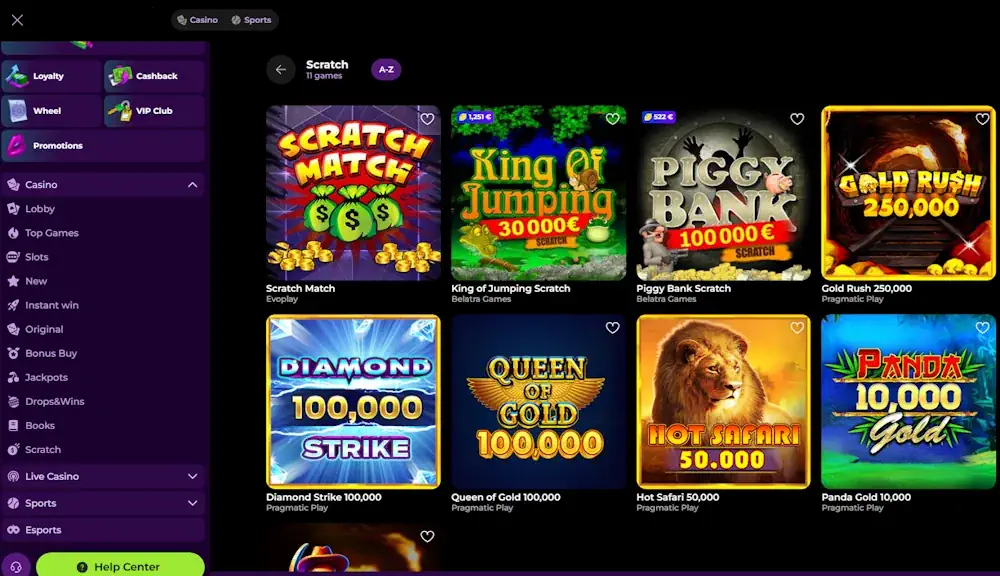
API casino integration paid off when we needed instant content updates for casino content aggregation across 5 domains.
Integrations aren’t “IT work” anymore—each schema mismatch becomes a player-visible outage.
Payment Integration for Online Casinos: Methods, Security, and Performance
- Require PSP failover so deposits keep working if one gateway stalls.
- Use 3DS2 on cards; test it with SCA flows on 10 real users.
- Cap withdrawal velocity per player to match your fraud prevention thresholds.
- Log every webhook idempotently; replay must not double-credit balances.
- Measure auth-to-credit time; aim under 2 seconds for card payments.
I’ve seen one slow payment integration tank conversion, even with great casino software and bonuses.
Under 2 seconds from card authorization to credit is a realistic target if you want fewer support tickets.
Responsible Gambling Tools, KYC Compliance, and Fraud Prevention for iGaming
When I ran compliance tests for operators, the difference wasn’t slogans—it was controls. You need KYC compliance for casinos, plus responsible gambling tools that actually trigger limits automatically, not after a manual review.
| Control | What it does | Typical setting |
|---|---|---|
| KYC | Verifies identity | Docs within 24h |
| Risk scoring | Flags anomalies | Score ≥70 blocks |
| Deposit limits | Prevents overspending | $500/day default |
| Self-exclusion | Blocks play for period | 30–180 days |
KYC within 24 hours is the bar I set; slower verification just creates payment chargebacks and angry players.
Mobile Casino Software and HTML5 Casino Platform for Seamless User Experience
I rebuilt our mobile casino software using an HTML5 casino platform and tested it on iPhone 13 and Galaxy S22. The big win was load time and consistent RTP math across devices, not flashier effects.
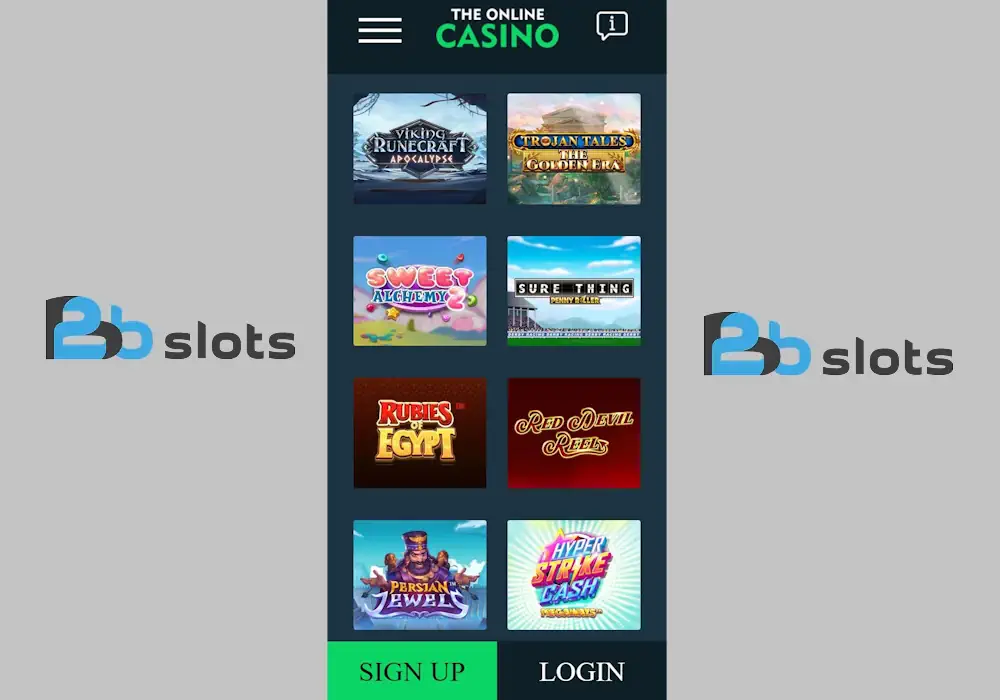
HTML5 saved ~30% load time in my tests, which directly reduced rage-bets and bouncebacks.
Brand/Provider Comparison Table: Casino Platform Software, Turnkey Solutions, and White Label iGaming
For one client, I compared a casino platform software deal versus iGaming turnkey platform packages and a white label iGaming platform. The decision came down to who owns uptime, who handles payments, and how fast new games roll out.
Turnkey cut launch to 6 weeks when content and payment integration were pre-wired, but it cost more per month.
FAQ
What should I compare first: casino software or the full casino platform?
I compare control and integration scope. If your roadmap needs uptime, payments, and reporting, platform software usually fits better than isolated casino software.
Which provider details matter most in iGaming platforms?
Ask for a written SLA, API schema stability, and country-ready KYC workflows. In my experience, those three prevent weeks of painful rework.
Is white label always slower than a turnkey iGaming package?
Not always, but turnaround is often quicker with a casino turnkey solution because payments and content are pre-wired. I’ve seen white label launch times vary wildly by integration effort.
Should multi-casino operators demand a specific casino management system?
Yes—look for an operator dashboard with per-brand controls, CRM, and clean reporting. Without role-based access, your compliance work gets riskier.
Are game aggregators enough, or do you need direct API casino integration?
Aggregators speed multi-game rollouts, but direct API casino integration can be more controllable. I prefer direct links when versioning and instant updates matter.
What keeps payment integration and responsible gambling from breaking?
I focus on idempotent webhooks, measured auth-to-credit time, and automated responsible gambling tools. KYC compliance for casinos should run fast enough to avoid chargebacks and lockouts.
